Harper Coleman · 24 October 2026
Stromtal River Guardians Integrate Cleanup Work Into Rural School Curricula
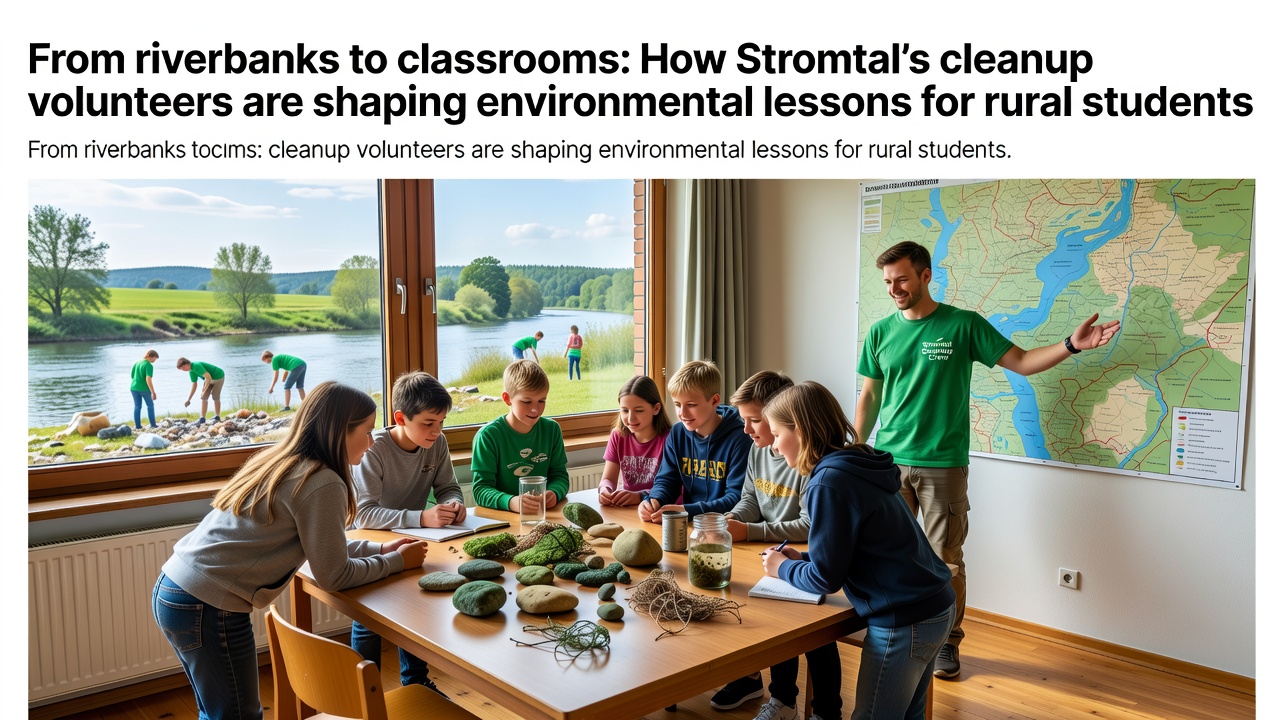
Stromtal valley residents began organizing regular riverbank cleanups in the early 2020s, and by October 2026 those same volunteer teams had expanded their reach into local schools across remote farming districts. The transition happened through structured partnerships between cleanup groups and district education offices, where participants now deliver weekly sessions on water quality monitoring, native plant identification, and waste separation protocols directly inside classrooms.
From Bankside Collections to Structured Lessons
Volunteers collect plastic fragments, agricultural runoff residue, and invasive vegetation each weekend along the main channel, then catalog the materials for use in student demonstrations the following week. Teachers incorporate these physical samples into existing science units so students measure pH levels from river water brought into the room and compare results against historical data maintained by the regional environmental office. The approach keeps lessons tied to observable conditions rather than abstract diagrams.
One district near the eastern tributary started requiring students to record weekly observations from the collected samples, and participation rates in the optional after-school extension reached 68 percent during the 2025-2026 academic year according to internal school reports. The same groups coordinate with the European Environment Agency on standardized testing methods, which allows the data collected by students to contribute to broader valley-wide assessments.
Program Structure Across Multiple Districts
Each participating school receives a rotating team of three to five volunteers who present for 45-minute blocks, alternating between lecture segments on erosion patterns and hands-on sorting exercises using the weekend's collected items. Rural schools without dedicated lab facilities use portable testing kits supplied through a cooperative agreement with the district agricultural extension service. Sessions occur on Tuesday and Thursday mornings to align with existing transportation schedules for students living on outlying farms.
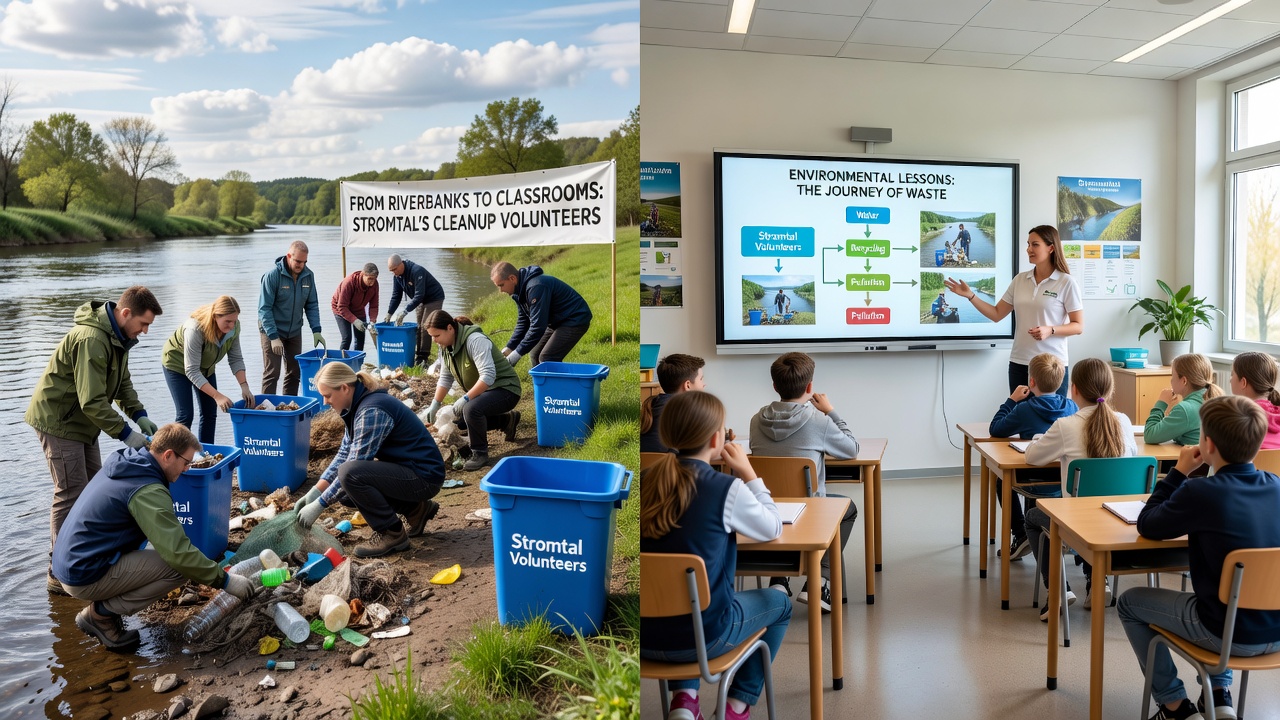
Materials gathered during October 2026 cleanups included higher volumes of microplastic pellets than the previous autumn, prompting volunteers to adjust the curriculum to include magnification station work and basic particle counting techniques. School administrators report that these adjustments were made after reviewing preliminary tallies shared by the volunteer coordinators at the start of the month.
Connections to Regional Research and Monitoring
Data gathered through the combined volunteer and student efforts feeds into a shared database maintained by the Stromtal Valley Cooperative, which forwards anonymized summaries to research partners at the University of British Columbia for analysis of seasonal sediment changes. The collaboration began in 2024 and continues to supply case examples for comparative studies on community-based monitoring programs in temperate river valleys. Students learn basic data entry protocols during the sessions, which gives them direct exposure to how field measurements translate into larger datasets.
Local farming cooperatives supply access to private river frontage for the cleanups, while volunteers in turn provide the schools with updates on buffer zone plantings that reduce runoff. This exchange has produced joint mapping projects where students overlay their observation points onto existing land-use charts provided by the cooperatives.
Conclusion
The integration of river cleanup activities with classroom instruction continues to expand across Stromtal's rural districts through these established volunteer networks. Ongoing coordination between cleanup teams, schools, and external research bodies maintains a steady flow of materials and data into the educational settings, supporting consistent delivery of the lessons through the remainder of 2026 and into subsequent seasons.