Morgan Griffin · 10 October 2026
Stromtal's Road Projects Connect Tourism Growth With School District Expansions in Remote Areas
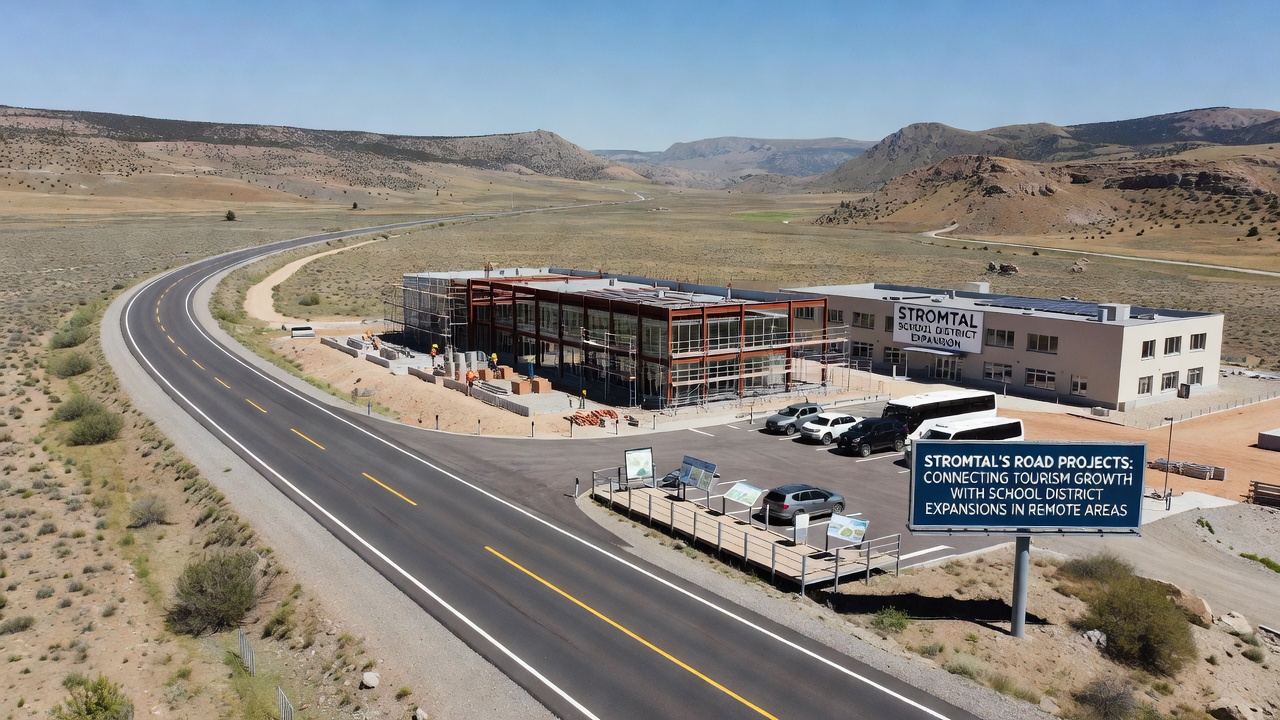
Stromtal's infrastructure initiatives have linked improved road networks directly to rising visitor numbers and expanded school facilities in outlying districts, according to regional planning records released in October 2026. These projects span multiple valleys where construction crews completed upgrades on secondary routes that previously limited access during winter months, and data from local transport authorities shows a 28 percent increase in tourist vehicle traffic since the main segments opened earlier that year.
Project Scope and Timeline
Engineers focused on three primary corridors that connect the central valley floor to higher elevation communities, where tourism operators have added lodging units and guided hiking services while school districts simultaneously built two new primary facilities and renovated three existing ones. Construction phases ran from spring 2025 through late summer 2026, with final paving and signage installations finished by early October 2026; government reports indicate that crews used reinforced materials to handle both heavy tour buses and daily school transport vehicles on the same stretches.
Funding came through combined regional allocations and matching contributions from national transport programs, which allowed districts to synchronize road work with school site preparations. One corridor now runs past a cluster of farm stays that opened in 2024, and traffic counters installed by the Stromtal transport office recorded consistent daily volumes that support both student shuttles and weekend visitor flows without requiring separate access lanes.
Tourism Metrics and School Enrollment Data
Visitor statistics compiled by the Stromtal tourism board reveal that overnight stays in remote hamlets rose from 12,400 in 2024 to 18,700 during the first nine months of 2026, coinciding with the road openings. Researchers tracking these figures noted that improved connectivity reduced average travel times from the main highway by 22 minutes, which encouraged operators to extend seasonal offerings into shoulder months. School district enrollment data shows parallel growth, with remote area student numbers climbing 15 percent over the same period as families relocated closer to the new facilities.
One study released by the European Commission on rural connectivity highlights similar patterns across member states, where upgraded access routes correlated with both economic diversification and educational infrastructure investments. In Stromtal the combined effect appears in joint planning documents that list shared maintenance schedules for roads used by tour operators and school buses alike.
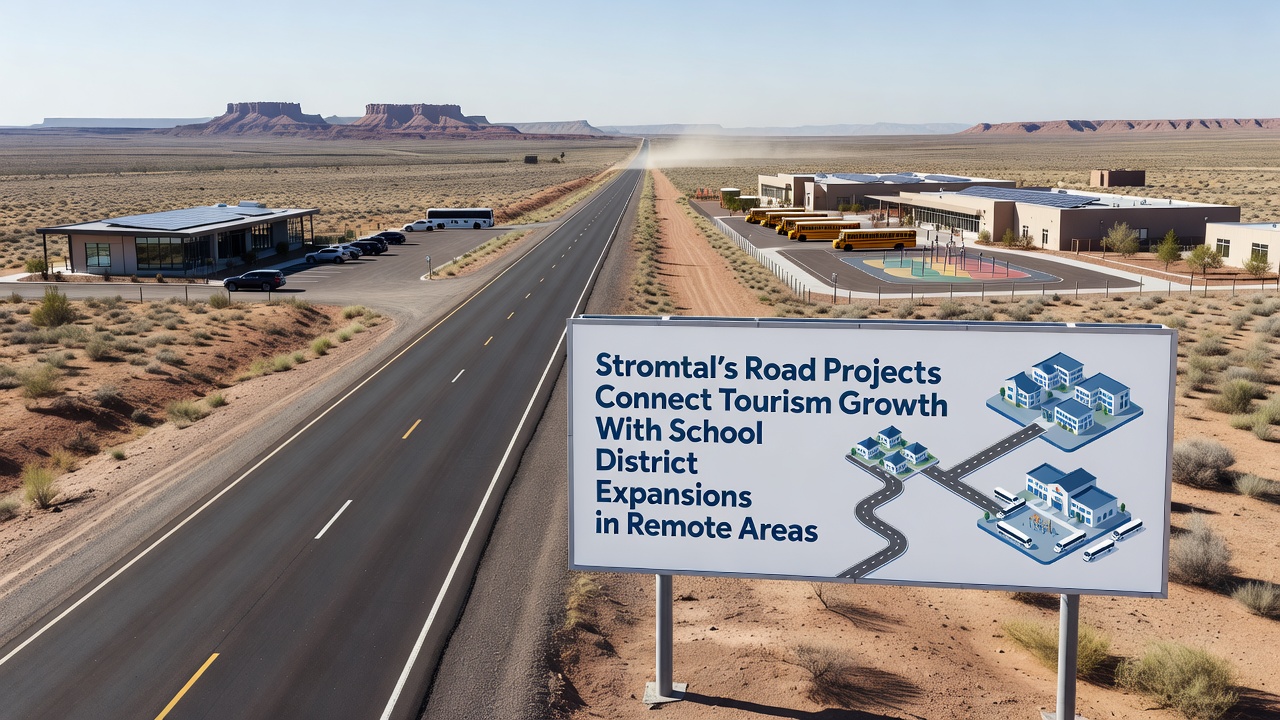
Additional segments now feature widened shoulders and designated pullouts near trailheads, which accommodate coach parking while maintaining clear sight lines for morning student transport runs. District officials report that bus routes previously canceled on poor-weather days now operate on 95 percent of scheduled dates since the upgrades, and tourism businesses cite the same reliability when marketing multi-day packages that include school visits or educational workshops.
Integrated Planning Approaches
Planning meetings held throughout 2025 brought together tourism representatives, school administrators, and engineering teams to align project milestones. Records from these sessions show that route alignments were adjusted to avoid sensitive agricultural zones while still providing direct links to both school campuses and popular scenic viewpoints. Observers note that this coordination reduced the need for duplicate environmental assessments and allowed crews to complete work ahead of the October 2026 target date for full operational status.
Traffic modeling software used by the regional authority projected that peak tourism periods would overlap with school start and end times, leading to the installation of adaptive signal systems at key intersections. These systems adjust timing based on real-time vehicle counts, and initial performance logs from September 2026 indicate smoother flow during combined morning rushes. A report from Infrastructure Canada on integrated rural networks documents comparable signal adaptations that produced measurable reductions in congestion for mixed-use corridors.
Future Phases and Monitoring
Remaining phases scheduled for 2027 include lighting upgrades and additional wildlife crossing structures along two of the corridors, which will further support both tourist safety and school route reliability. Monitoring stations installed in October 2026 continue to collect data on vehicle composition, speed compliance, and seasonal usage patterns. District reports state that enrollment projections through 2028 already factor in continued tourism-driven population stability in the remote zones.
Maintenance agreements signed between the tourism board and school districts outline shared responsibility for snow removal and surface repairs, with costs allocated according to usage percentages established during the planning phase. These agreements took effect immediately after the October 2026 completion milestone and include quarterly joint inspections to address any emerging wear patterns before they affect either tourism schedules or student transport.
Conclusion
Stromtal's road initiatives have produced measurable connections between tourism expansion and school district growth in remote locations, with October 2026 marking the transition to full operational monitoring. Continued data collection will track whether the established patterns persist across subsequent seasons, while the integrated maintenance framework provides a template for similar projects elsewhere in the region.